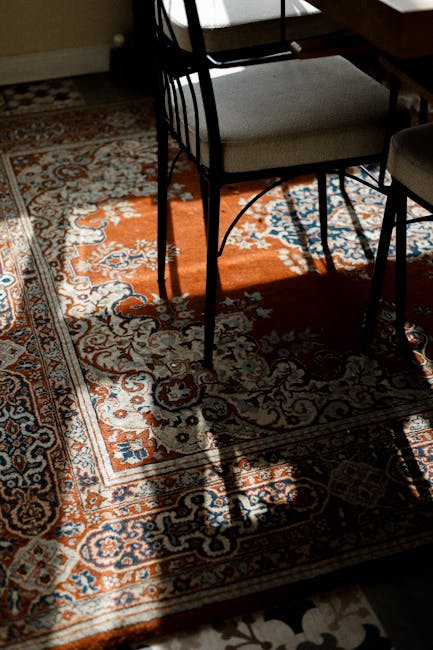
Holders Hill Road rug cleaning near Woodside Park: a practical local guide to cleaner, longer-lasting rugs
If your rug has started to look tired, hold onto smells, or show up every footprint in the hallway, you are not alone. Holders Hill Road rug cleaning near Woodside Park is one of those jobs that sounds simple until you actually lift the rug and notice what has settled into the fibres. Dust, grit, pet hair, food marks, and everyday London traffic all build up faster than most people expect.
This guide explains what professional rug cleaning involves, why it matters in a busy residential area, and how to judge the right approach for your rug at home. Whether your rug is a delicate wool piece, a practical synthetic runner, or something handwoven and precious, the aim is the same: get it properly cleaned without damaging the pile, dyes, or backing. Let's face it, a rug does a lot more than people give it credit for.
For readers comparing services or looking into related care, you may also find it useful to explore rug cleaning, stain removal, and pet stain and odour removal when the issue is more than simple surface dust.
Table of Contents
- Why Holders Hill Road rug cleaning near Woodside Park Matters
- How Holders Hill Road rug cleaning near Woodside Park Works
- Key Benefits and Practical Advantages
- Who This Is For and When It Makes Sense
- Step-by-Step Guidance
- Expert Tips for Better Results
- Common Mistakes to Avoid
- Tools, Resources and Recommendations
- Law, Compliance, Standards, or Best Practice
- Options, Methods, or Comparison Table
- Case Study or Real-World Example
- Practical Checklist
- Conclusion
- Frequently Asked Questions
Why Holders Hill Road rug cleaning near Woodside Park Matters
Rugs are almost always in the worst place for wear: right where people walk, sit, drop crumbs, bring in rainwater, or kick off shoes. In homes around Holders Hill Road and the wider Woodside Park area, that means rugs can take on a surprising amount of daily debris even when the room looks tidy. A rug can look "fine" from standing height and still contain dust, sand, pollen, and odour deep down.
That matters for a few reasons. First, grit acts like sandpaper. Every step grinds particles into the fibres, which can make a rug look flat and worn long before its time. Second, trapped dirt can affect indoor air quality, especially if the rug is in a living room or bedroom where people spend long stretches of time. Third, once a stain sets in, or a spill reaches the underlay, it becomes much harder to remove cleanly later.
There is also a real aesthetic side to it. A freshly cleaned rug changes the feel of a room. Colours come back. Patterns sharpen up. The whole space looks calmer, somehow. You notice it most in the morning light, when the fibres are lifted and the room feels less heavy.
For delicate or higher-value rugs, the stakes are even higher. Wrong products, too much moisture, or over-aggressive scrubbing can cause dye bleed, shrinkage, texture loss, or edge distortion. So a careful rug cleaning approach is not just about cleanliness; it is about preservation.
How Holders Hill Road rug cleaning near Woodside Park Works
Good rug cleaning is not just one single technique. The right process depends on the fibre type, backing, weave, level of soiling, and whether there are stains, pet accidents, or lingering odours. In practice, a well-run service starts with inspection, not cleaning solution. That sounds obvious, but plenty of damage happens when cleaners skip the slow bit.
Here is the typical flow:
- Inspection and fibre identification - Wool, synthetic, silk, viscose, cotton, jute, and blended rugs all behave differently when wet. A technician should check construction, dyes, seams, fringe condition, and any previous repairs.
- Dry soil removal - Loose dust and grit are removed first, usually with careful vacuuming or controlled dust extraction. This stage protects the fibres and improves the cleaning outcome.
- Spot assessment - Stains are tested before treatment. Coffee, wine, pet urine, mud, makeup, and food spills each need a different approach. One chemical does not fit all. Sadly, that would be too easy.
- Pre-treatment - Suitable products are applied to break down soil and help lift stains without damaging the rug.
- Cleaning method selection - Depending on the rug, this may involve low-moisture cleaning, hand washing, or controlled steam carpet cleaning principles adapted carefully for rug fibres. The method should suit the material, not the other way around.
- Rinse or extraction - Residue is removed thoroughly. Leaving cleaning product behind can attract dirt again, which defeats the point.
- Drying - Proper drying is essential. Rugs should be dried in a way that limits browning, odour, backing damage, and mildew risk.
- Final grooming and inspection - The pile is reset, fringe is checked, and the rug is reviewed for any remaining spots that need targeted work.
In a domestic setting, the cleaner may also advise on furniture movement, underlay condition, and how soon the rug can safely go back into place. If the rug sits under a sofa or dining table, that detail matters more than people think.
Key Benefits and Practical Advantages
Professional rug cleaning near Woodside Park is not just about making a rug "look nicer". The benefits are practical and, frankly, easier to feel than to photograph.
- Improved appearance - Colours brighten, patterns stand out, and flattened fibres recover more easily when cleaned properly.
- Reduced allergens and dust - Rugs trap particles; cleaning removes a good share of the build-up that vacuuming alone misses.
- Better odour control - Spills, pet accidents, and everyday dampness can create stale smells if left untreated.
- Longer rug life - Removing abrasive dirt helps reduce wear on the pile and backing.
- Safer handling of stains - A targeted stain treatment is far less risky than a random home remedy from the back of a cupboard.
- More suitable care for valuable pieces - Handwoven, wool, antique, and decorative rugs need methods that respect the material.
There is also a convenience angle. If your rug is large, awkward, or fragile, moving it yourself can be a nuisance. A proper cleaning plan reduces the chance of accidental damage during transport, rolling, or drying. If you are comparing service options, the details on pricing and quotes can help you understand what is typically included before you book.
Who This Is For and When It Makes Sense
This kind of cleaning makes sense for more people than you might think. In fact, if a rug is in active use, it probably needs more care than "once in a blue moon".
You are likely a good candidate for professional rug cleaning if:
- your rug gets heavy foot traffic from hallways, entrances, or family rooms
- you have children, pets, or both, which is a fun combination in theory and less fun on a cream rug
- there are visible stains, dull patches, or dark edges near the walking line
- the rug smells musty, stale, or has a lingering pet odour
- the rug is wool, handmade, oriental, vintage, or otherwise valuable
- the pile has compacted and vacuuming no longer restores the look
- you are preparing to sell, rent, or refresh the room for guests
It also makes sense after a spill event, not just once the whole rug looks tired. A cup of tea, a glass of red wine, or pet accident on a winter evening can sink in quickly. The sooner the right treatment starts, the better the odds of a clean finish.
Sometimes the best moment to book is not when the rug is visibly filthy, but when you notice you have stopped really seeing it. That "background object" stage is usually the tell.
Step-by-Step Guidance
If you want a straightforward way to think about rug cleaning, use this process. It works whether you are booking a professional service or deciding how to prepare a rug for one.
- Check the label, weave, and construction
Look for fibre clues. Wool, silk, viscose, synthetic blends, and natural plant fibres all need different handling. If there is no care label, assume caution. - Identify the problem
Is it dust build-up, one stain, multiple spots, pet odour, or general dullness? A clear problem statement saves time and avoids over-treating the rug. - Test for colour stability
Any cleaning product should be tested in an inconspicuous area. If colours bleed or dull, stop and reassess. - Remove loose debris first
Vacuum gently, both sides if appropriate, and clear the surrounding floor so the rug can be handled properly. - Pre-treat targeted marks
Use suitable stain removal methods, especially on food, drink, or pet-related spots. This is where the right expertise really shows. - Choose the correct cleaning method
Some rugs tolerate only low-moisture or hand-cleaned techniques. Others can handle more robust extraction. The safest method is the one that matches the rug. - Control drying carefully
Drying too slowly can create odour and backing problems. Drying too aggressively can also distort fibres. Balance matters. - Reassess after drying
Some stains look lighter when wet and return when dry. A final review catches that. Annoying, yes. Common, also yes.
If the rug is part of a larger home refresh, you might pair it with sofa cleaning or upholstery cleaning so the room feels consistent rather than half-done. That usually makes more sense than cleaning one item in isolation.
Expert Tips for Better Results
Here are the bits that tend to make the biggest difference in real homes, not just on paper.
- Vacuum regularly, but gently - Use suction appropriate to the rug type. Rough vacuuming can fray fringes and distort loose weaves.
- Act quickly on spills - Blot, do not rub. Rubbing pushes liquid deeper and can spread the stain wider.
- Lift rather than drag - When moving a rug, roll it neatly. Dragging can stress the backing and corners.
- Keep rugs out of prolonged damp - Windowsills, entry points, and under-furniture zones can hold moisture longer than expected.
- Use underlay where suitable - It helps reduce slippage and can ease wear underneath.
- Ask about fibre-safe chemistry - A cleaner should be able to explain why a product is suitable in plain English, not hide behind jargon.
- Plan for the room, not just the rug - If a rug sits beneath a dining table or near a muddy entrance, the surrounding habits matter too.
One small but useful habit: rotate your rug occasionally if the weave and room layout allow it. The most worn patch is often not obvious until you flip the rug or move it in daylight. Little things, but they add up.
Common Mistakes to Avoid
Most rug problems I see tend to come from well-meant shortcuts. Nobody sets out to damage a rug, of course. It just happens when a quick fix feels easier than the careful one.
- Using too much water - Over-wetting can lead to browning, shrinkage, odour, and backing damage, especially in wool or natural fibre rugs.
- Scrubbing hard - This can fuzz the pile and push stains deeper.
- Trying random household chemicals - Bleach, strong alkaline sprays, or mixed products can cause permanent damage. Not worth it.
- Ignoring the fringe - Fringes are easy to fray or discolour during cleaning.
- Skipping drying time - Putting a rug back too soon can trap moisture under furniture or on flooring.
- Assuming all rugs can be treated the same - A synthetic runner and a hand-knotted wool rug are not cousins. They are different jobs.
Another common mistake is waiting until the rug is visibly ruined. By then, the cleaning can still help, but the outcome is usually less dramatic. Prevention sounds dull, but it works.
Tools, Resources and Recommendations
You do not need a warehouse full of equipment to care for a rug properly, but the right tools do make life easier. A sensible toolkit often includes:
- a good vacuum with adjustable suction
- a soft brush for pile lifting
- clean white cloths or towels for blotting spills
- protective underlay for suitable rugs
- a gentle spot-cleaning product approved for the fibre type
- a fan or drying aid for safe airflow after wet cleaning
For service comparison, it helps to check a provider's wider approach to textile care. Pages such as carpet cleaning, curtain cleaning, and mattress cleaning can show whether the business understands different fabrics and home environments, not just one material in isolation.
If you care about the practical side of booking, take a look at payment and security, terms and conditions, and insurance and safety. Those pages help set expectations before anyone comes through the door with equipment and hoses. A small bit of reading now saves awkward questions later.
Law, Compliance, Standards, or Best Practice
For domestic rug cleaning, there usually is not a dramatic legal framework the average homeowner needs to memorise. Still, sensible best practice matters, especially where water, cleaning chemicals, electrical equipment, and valuable textiles are involved.
In the UK, reputable cleaners normally work with care around safety, property protection, and product handling. That means using appropriate methods for the rug material, keeping walkways safe, avoiding unnecessary moisture on flooring, and being transparent about limitations if a rug is fragile or already damaged. If a rug has pre-existing colour instability, weak backing, or old repairs, the cleaner should say so clearly rather than promise miracles.
For householders, the best practical standard is simple: ask how the rug will be tested, cleaned, and dried; ask what happens if a stain does not fully respond; and ask whether the service is insured and prepared to work carefully in the home. Those are fair questions. Honestly, they should not make anyone flinch.
If sustainability is part of your decision, you may also value a provider's approach to waste and reuse. The recycling and sustainability page is useful if you want to understand how the company thinks about environmental responsibility in everyday operations.
Options, Methods, or Comparison Table
Not every rug needs the same treatment. The right method depends on material, condition, and how much risk you are willing to accept. Here is a simple comparison to help with decision-making.
| Method | Best for | Advantages | Watch-outs |
|---|---|---|---|
| Vacuum-only maintenance | Lightly soiled rugs, routine upkeep | Fast, low risk, easy to repeat | Will not remove deep stains or odours |
| Spot treatment | Single marks or fresh spills | Targets a small area, cost-effective | Can spread stains if done badly |
| Low-moisture cleaning | Delicate rugs or moisture-sensitive backing | Reduced drying time, lower wetting risk | May not be enough for heavy contamination |
| Hand washing | Wool, handmade, or higher-value rugs | Careful control and thorough fibre attention | Requires skill and proper drying space |
| Controlled deep cleaning | Durable rugs with heavy soil | Better extraction of embedded dirt | Not suitable for every fibre type |
The main point is simple: the most aggressive method is not the best method. In rug care, gentleness often wins.
Case Study or Real-World Example
Picture a typical Woodside Park sitting room on a damp afternoon in early autumn. A rug near the sofa has taken daily wear for years. It still looks decent at a glance, but the centre is darker, the fringe is dusty, and there is a faint stale smell whenever the heating comes on.
The owner had tried vacuuming, then a shop-bought stain spray, then a bit more vacuuming. You know how that goes. The rug looked temporarily better in one patch and worse in another. After inspection, the cleaner identified a wool blend with a delicate backing and a few older spill marks. Instead of using a one-size-fits-all deep clean, the rug was dusted, tested, pre-treated, and cleaned with a lower-moisture method that respected the fibres.
What changed? The room felt lighter. The odour lifted. The pile stood up again. The rug did not come back looking brand new, because that would be unrealistic and, truth be told, a little suspicious. But it came back looking cared for, and that is often the real goal. The owner then decided to keep the rug off the floor for a little longer during wet weather and rotate it more regularly. Simple change. Big difference.
Practical Checklist
Use this checklist before arranging Holders Hill Road rug cleaning near Woodside Park or preparing a rug for treatment.
- Identify the rug fibre if possible.
- Check for labels, damage, loose threads, or weak edging.
- Note all stains, even small ones.
- Tell the cleaner about pet accidents, drink spills, or previous spot treatments.
- Ask how the rug will be tested for colourfastness.
- Confirm the drying plan and estimated turnaround.
- Move nearby furniture or fragile items out of the way.
- Prepare a clear space for the rug to be handled safely.
- Ask about insurance, safety, and any limits for delicate rugs.
- Inspect the rug after cleaning once it is fully dry.
Quick takeaway: the best rug cleaning is careful, material-specific, and honest about what can and cannot be removed. A cautious approach usually gives the best long-term result, even if it feels slightly slower at the start.
If you are ready to take the next step, compare your needs with the available service details and request a proper quote rather than guessing. It is a small bit of admin now, but it can save a lot of hassle later.
Get a free quote today and see how much you can save.
Conclusion
Holders Hill Road rug cleaning near Woodside Park is really about protecting the things that make a home feel lived-in and comfortable. A rug carries more than decor; it carries traffic, dust, family life, and the odd spill that nobody meant to make. When cleaned properly, it gives back the room a little. More colour. Less smell. Fewer worries underfoot.
The smartest approach is careful rather than rushed, specific rather than generic. Know the rug, match the method, and keep an eye on drying and aftercare. That is the practical path. And if a rug is especially valuable, fragile, or simply important to you, a thoughtful cleaning plan is worth it. No drama, just good care.
There is something quietly satisfying about seeing a rug come back to life. Not flashy. Just right.
Frequently Asked Questions
How often should I arrange rug cleaning near Woodside Park?
It depends on use, fibre type, pets, and foot traffic. High-traffic rugs may need attention more regularly, while decorative rugs can often go longer between cleans. Vacuuming helps, but it does not replace a proper deep clean when soil builds up.
Can all rugs be steam cleaned?
No. Some rugs tolerate steam or hot-water extraction better than others, but delicate fibres such as silk, viscose, or some handwoven pieces may need a more careful or low-moisture approach. The rug should be assessed first.
What is the safest way to clean a wool rug?
Wool rugs usually do best with careful inspection, colour testing, targeted stain treatment, and a cleaning method that avoids over-wetting. Drying is just as important as the cleaning stage itself.
Will rug cleaning remove pet odours completely?
Sometimes, but not always. It depends on how far the odour has travelled into the fibres, backing, and underlay. Pet stain and odour issues often need specialist treatment rather than a general clean.
How long does a rug take to dry after cleaning?
Drying time varies with fibre, room temperature, airflow, and the cleaning method used. A rug should be fully dry before being laid back down or placed under furniture, otherwise odour and backing issues can develop.
Is it better to clean a rug at home or off-site?
Both can work, but off-site cleaning is often better for valuable, delicate, or heavily soiled rugs because it allows more controlled washing and drying. In-home cleaning is convenient for suitable rugs and lighter soil.
Can stain removal damage my rug?
It can if the wrong product or method is used. That is why spot testing matters. A careful professional will test first and choose the mildest effective treatment rather than attacking the mark straight away.
What should I do after a spill on a rug?
Blot the spill gently with a clean cloth, avoid rubbing, and keep the area from being walked over. If the stain is stubborn or the rug is valuable, arrange treatment sooner rather than later.
Are rug cleaning prices fixed?
Usually not. Prices often depend on rug size, fibre type, condition, stain complexity, and whether specialist handling is needed. A proper quote is better than a rough guess, especially for delicate rugs.
How do I know if a rug is safe for deep cleaning?
You need to consider fibre, dye stability, backing, and any previous repairs. If there is uncertainty, the safest option is a professional inspection before any wet treatment is attempted.
Can rug cleaning help if the room smells musty?
Yes, if the smell is coming from the rug itself or trapped soil in the fibres. If the source is damp flooring, underlay, or poor ventilation, the rug may not be the only issue. Sometimes it is part of the picture, not all of it.
Do I need to move furniture before rug cleaning?
It helps if you can. At minimum, clear the surrounding area so the rug can be lifted or rolled safely. For large or awkward items, ask the cleaner what preparation is needed before they arrive.